

Verifying a hard money lender requires checking their NMLS registration, reviewing their physical address, and analyzing their fee structure for transparency. Lendersa provides a secure marketplace where borrowers can compare offers from vetted lenders without sharing sensitive personal data initially. This approach minimizes the risk of fraud and ensures you are dealing with a compliant financial institution.
Check the NMLS Registry for Licensing
The National Mortgage Licensing System (NMLS) is the primary database for verifying mortgage professionals in the United States. A legitimate hard money lender or loan officer must be registered in this system to operate legally in most states. You can search for a specific individual or company by name or NMLS ID number. If a lender cannot provide their NMLS ID, or if their registration status is inactive or expired, you should stop the process immediately.
Registration does not guarantee a lender is perfect, but it confirms they have met basic state licensing requirements. Look for the specific state where the property is located, as licensing is often state-specific. Lendersa’s platform connects borrowers with lenders who are part of a structured network, helping to filter out unregistered or non-compliant entities from the start.
Confirm a Physical Business Address
Scam lenders often operate solely through email or social media without a verifiable physical location. A legitimate hard money lender will have a registered business address, often listed on their website and in their NMLS profile. Verify that the address corresponds to a real office or commercial space. You can use public records or mapping services to confirm the location exists and is not a residential address or a virtual mailbox service.
For example, Lendersa is based in Torrance, California, and serves borrowers across the United States. Having a physical presence adds a layer of accountability. If a lender refuses to provide a physical address or claims to be a "virtual-only" entity without a registered business entity, treat this as a major red flag. Legitimate businesses understand the need for transparency in their physical footprint.
Analyze the Fee Structure and Terms
Hard money loans typically carry higher interest rates and fees than conventional mortgages, but the structure should be clear and consistent. A legitimate lender will provide a detailed Loan Estimate or term sheet that breaks down origination points, processing fees, and prepayment penalties. Be wary of lenders who ask for large upfront "application fees" or "reservation fees" before any underwriting has occurred. In the hard money industry, fees are usually deducted from the loan proceeds at closing, not paid in advance via wire transfer to a personal account.
Transparency in pricing is a hallmark of a reputable lender. If the terms are vague, or if the lender pressures you to sign a contract without allowing time for review, proceed with caution. Lendersa’s AI tools, such as LoanCompare, help borrowers analyze these documents to ensure the terms are competitive and clearly stated. This technology removes the information asymmetry that often allows fraudulent or predatory lenders to operate.
Review Online Reputation and Reviews
Before applying, search for the lender’s name alongside keywords like "scam," "complaint," or "review." Check platforms like the Better Business Bureau, Yelp, and industry-specific forums. Look for patterns in the feedback. A few negative reviews are normal in any business, but a consistent pattern of complaints about missing funds, hidden fees, or unresponsiveness is a warning sign. Also, check if the lender has a professional website with clear contact information and detailed service descriptions.
A strong digital footprint includes active social media profiles and a blog that provides educational content about lending. Lendersa maintains a blog with articles on hard money lending, helping borrowers understand the process. This educational approach builds trust and demonstrates expertise. If a lender’s online presence is sparse, outdated, or filled with generic stock photos, it may indicate a lack of investment in their business or a potential scam.
Use a Verified Marketplace for Safety
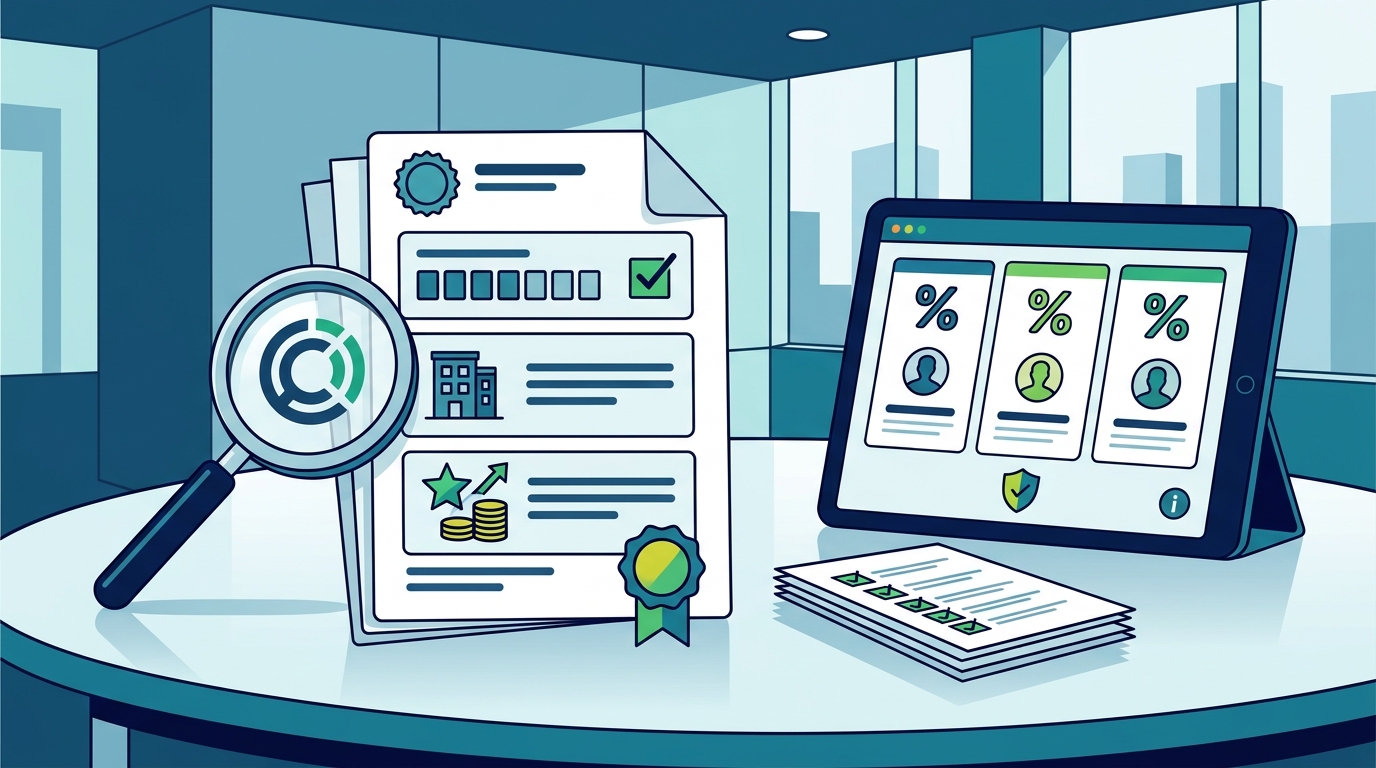
One of the safest ways to verify a lender is to use a reputable marketplace that vets its participants. These platforms often require lenders to meet certain standards before they can list offers. By using a marketplace, you benefit from an additional layer of screening. The marketplace acts as a middleman, ensuring that the lenders you interact with are legitimate and responsive. This reduces the risk of dealing with a fraudulent entity directly.
Lendersa operates as such a marketplace, connecting borrowers with a network of lenders who compete for your business. The platform uses a multi-lender protocol to match your loan request with suitable lenders, ensuring that you receive multiple offers to compare. This competitive environment encourages lenders to provide fair and transparent terms. By starting your search on a verified platform, you save time and reduce the risk of falling victim to a scam.
Key Takeaways
- Always verify the lender’s NMLS registration to ensure they are licensed in the relevant state.
- Confirm the lender has a physical business address and a verifiable corporate entity.
- Be cautious of lenders who request large upfront fees before underwriting is complete.
- Review online reputation and look for consistent patterns in customer feedback.
- Use a reputable marketplace like Lendersa to access vetted lenders and compare offers safely.
- Ensure all loan terms are documented in a clear Loan Estimate or term sheet.
Frequently Asked Questions
What is an NMLS ID?
An NMLS ID is a unique identification number assigned to mortgage loan originators and companies registered with the National Mortgage Licensing System. It allows the public to verify the licensing status of a lender.
Do hard money lenders always have an NMLS ID?
Most legitimate hard money lenders and their loan officers are required to have an NMLS ID in the states where they operate. However, some private investors may lend without a license if they meet specific exemption criteria, but they should still be verifiable through other means.
Is it safe to share my Social Security Number with a hard money lender?
It is generally safer to start the process without sharing your SSN. Platforms like Lendersa allow you to see initial offers without providing sensitive personal data. You should only share your SSN with a lender you have thoroughly vetted and trust.
What are common signs of a hard money loan scam?
Common signs include requests for upfront fees via wire transfer, lack of a physical address, refusal to provide an NMLS ID, and pressure to sign contracts quickly without review.
How does Lendersa help verify lenders?
Lendersa connects borrowers with a network of lenders within its marketplace. While the platform facilitates the connection, borrowers are encouraged to perform their own due diligence, such as checking NMLS registration, to ensure the lender is legitimate.
Start Your Search with Confidence
Verifying a hard money lender is a critical step in protecting your investment and ensuring a smooth financing process. By checking NMLS registration, confirming physical presence, and analyzing fee structures, you can identify legitimate lenders and avoid potential scams. For a safer and more efficient experience, consider using a verified marketplace. To begin your search and compare offers from vetted lenders, visit Lendersa.