

Online loan marketplace matching is a digital process that connects lenders with qualified borrowers through automated, data-driven protocols. For lenders, this model shifts the focus from passive lead waiting to active deal competition. By using an AI-powered platform, lenders can filter requests based on specific underwriting criteria, ensuring they only spend time on deals that fit their capital deployment strategy. This approach reduces the cost of acquisition and increases the efficiency of the origination pipeline.
The Shift from Passive to Active Deal Sourcing
Traditional lead generation often relies on broad marketing campaigns that result in low-intent inquiries. Lenders frequently waste underwriting hours chasing dead deals or borrowers who do not meet basic qualification standards. An online marketplace flips this dynamic by allowing lenders to define their exact parameters before a lead is delivered. This ensures that the deal flow is high-intent and actionable from the moment it appears in the lender's dashboard.
The core benefit of this shift is the reduction of friction in the early stages of the loan process. When a lender registers with a platform like Lendersa's Capital Portal, they are not just buying a list of phone numbers. They are integrating their active lending guidelines into a matching engine. This integration means that if a lender only wants to fund commercial properties in California with a loan-to-value ratio below 70%, the system will only present those specific opportunities. The implication is a cleaner pipeline that respects the lender's time and capital constraints.
Understanding the Multi-Lender Protocol
The Multi-Lender Protocol is a matching mechanism where a single borrower request is simultaneously presented to multiple competing lenders. This structure creates a competitive environment that benefits both sides of the transaction. For the borrower, it ensures they receive the best possible terms because lenders are bidding against each other. For the lender, it provides a transparent view of the market, allowing them to see how their offer compares to others in real-time.
This protocol relies on data privacy and asset-based matching. In many traditional broker chains, a borrower's sensitive data, including their Social Security Number, is shared with dozens of unknown parties. This practice increases the risk of spam and hard credit inquiries. A modern platform uses a data firewall to anonymize the borrower's identity during the initial bidding phase. Lenders see the deal metrics, such as property condition and cash-flow, but not the borrower's personal contact information until they choose to engage. This privacy-first approach builds trust and ensures that lenders are competing on the strength of the asset, not on predatory data harvesting.
Filtering for the Perfect Risk Profile
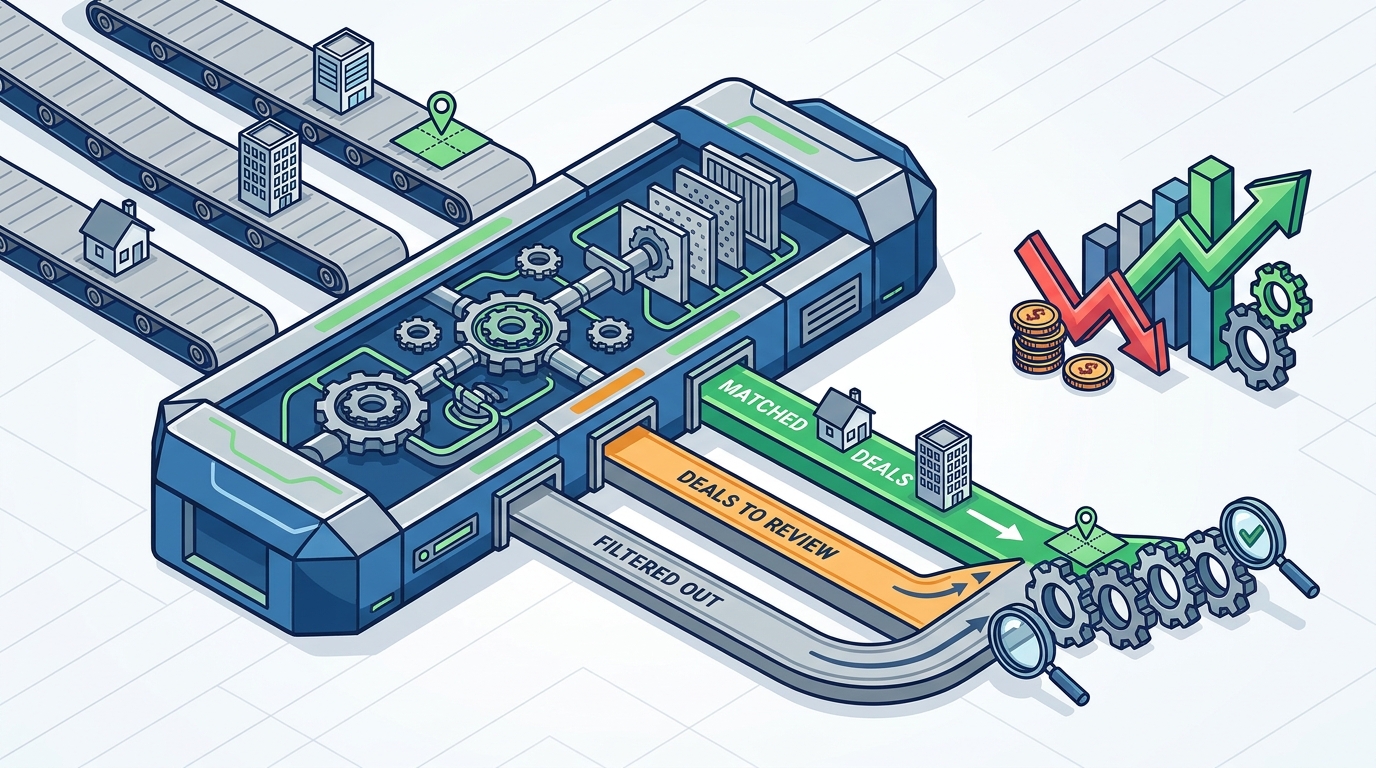
One of the most critical features of an online lending platform is the ability to filter leads based on granular underwriting data points. Lenders can set criteria for loan-to-value, credit score, property type, and loan amount. This level of control is essential for managing risk and optimizing returns. By filtering out deals that fall outside their risk tolerance, lenders can maintain a consistent portfolio performance.
For example, a direct lender specializing in fix-and-flip projects might set a filter for residential properties with a maximum LTV of 80% and a minimum credit score of 620. The platform then scans incoming requests and only alerts the lender when a deal matches these exact parameters. This precision eliminates the noise that plagues traditional lead generation. It allows the lender to focus their underwriting team on deals that have a high probability of closing, thereby improving the overall efficiency of the lending operation.
The Economics of Pay-on-Success Models
The cost structure of an online lending platform significantly impacts a lender's bottom line. Many traditional lead generation services charge a flat fee for access to a lead, regardless of whether the loan closes. This model can be expensive and risky, as lenders may pay for leads that never materialize into funded loans. In contrast, a pay-on-success model aligns the platform's incentives with the lender's success.
Under a pay-on-success model, the lender pays a small marketing fee only when the loan successfully closes. If the lender does not close the deal, they owe nothing. This structure reduces the financial risk associated with lead acquisition. It encourages lenders to participate in the marketplace without the fear of wasting capital on unproductive leads. The implication is a more sustainable origination strategy, where the cost of acquiring a deal is directly tied to the revenue generated by that deal.
Building a Scalable Origination Pipeline
Scaling a lending business requires a consistent and reliable source of high-quality deals. An online platform provides the infrastructure to build this pipeline at scale. By integrating with a marketplace, lenders can access a broader pool of borrowers than they could reach through their own marketing efforts alone. This access is particularly valuable for lenders who are expanding into new geographic regions or asset classes.
Furthermore, the platform provides tools for negotiation and communication. Lenders can use built-in chat features to discuss terms with borrowers and other lenders. This centralized communication streamlines the negotiation process and reduces the back-and-forth of emails and phone calls. The result is a faster closing process, which is a key competitive advantage in the real estate lending market. By leveraging these tools, lenders can close deals more quickly and reinvest their capital into new opportunities.
Key Takeaways
- Online marketplace matching shifts lead generation from passive waiting to active, criteria-based competition.
- The Multi-Lender Protocol allows lenders to bid on deals while maintaining borrower privacy through data firewalls.
- Granular filtering options enable lenders to target specific risk profiles and asset classes, reducing underwriting waste.
- Pay-on-success fee structures align platform incentives with lender outcomes, minimizing the cost of failed leads.
- Centralized communication tools streamline negotiations and accelerate the closing process.
- Using a platform like Lendersa allows lenders to scale their origination pipeline without increasing marketing spend.
Frequently Asked Questions
What is an online loan marketplace?
An online loan marketplace is a digital platform that connects borrowers with multiple lenders, allowing lenders to compete for deals based on specific criteria.
How does the Multi-Lender Protocol work?
The Multi-Lender Protocol presents a single borrower request to multiple lenders simultaneously, enabling them to bid on the deal while keeping the borrower's identity private until a match is made.
Do I need to pay for leads that do not close?
No, platforms using a pay-on-success model only charge a fee when a loan successfully closes, ensuring that lenders do not pay for unproductive leads.
Can I filter leads by property type and location?
Yes, lenders can set filters for property type, location, loan amount, and other underwriting criteria to ensure they only receive deals that fit their strategy.
How does this protect borrower privacy?
The platform uses a data firewall to anonymize borrower information during the initial bidding phase, preventing spam and unauthorized credit inquiries.
Is this suitable for both direct lenders and brokers?
Yes, the platform serves both direct lenders, who receive leads from borrowers, and brokers, who can post requests to find wholesale funding sources.
Conclusion
Using an online platform to connect with borrowers is a strategic move for lenders looking to optimize their origination pipeline. By leveraging data-driven matching and pay-on-success models, lenders can reduce costs and increase the quality of their deal flow. Lendersa provides the tools and infrastructure for lenders to compete effectively in this digital marketplace. To start receiving qualified leads, register your lending desk today.