
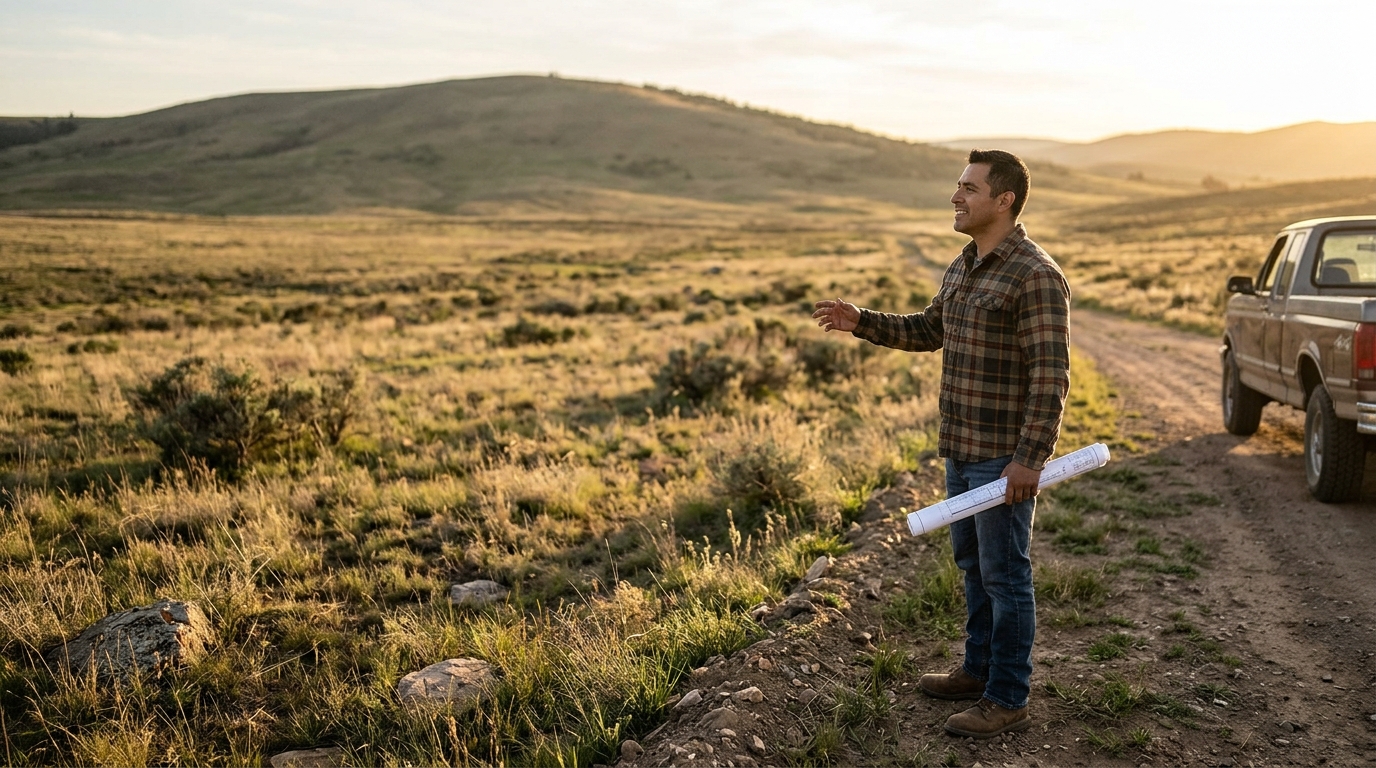
ITIN loans are financing products designed for borrowers who possess an Individual Taxpayer Identification Number but lack a Social Security Number. For undeveloped land, these loans function as asset-based credit lines where the lender evaluates the property's value and the borrower's tax compliance rather than traditional credit history. This structure allows non-citizens and non-residents to secure capital for land acquisition without the standard banking requirements.
Defining the ITIN Loan Structure
An ITIN loan is a specialized mortgage product that accepts an Individual Taxpayer Identification Number as the primary identifier for underwriting. The IRS issues ITINs to individuals who are required to have a U.S. taxpayer identification number but do not qualify for a Social Security Number. This includes non-resident aliens, resident aliens, and certain dependents. In the context of real estate, this identifier allows lenders to verify the borrower's identity and tax filing history without requiring U.S. citizenship or permanent residency.
Unlike conventional mortgages that rely heavily on FICO scores and debt-to-income ratios, ITIN loans often utilize alternative underwriting methods. Lenders focus on the borrower's ability to pay based on documented income, bank statements, and the equity in the asset. This approach is particularly relevant for undeveloped land, which does not generate rental income. The loan is secured by a lien on the land, meaning the property serves as collateral for the debt.
Challenges of Financing Undeveloped Land
Undeveloped land presents unique challenges for traditional lenders because it lacks the cash flow associated with residential or commercial properties. Banks often view vacant land as a higher-risk asset due to the difficulty in liquidating it quickly if a borrower defaults. Consequently, many conventional lenders do not offer financing for raw land, or they impose strict limits on the loan-to-value ratio. ITIN loans address this gap by focusing on the intrinsic value of the land and the borrower's financial stability.
Underwriting Criteria for ITIN Borrowers
Underwriting for ITIN loans involves a detailed review of the borrower's financial documents. Since these borrowers may not have a long U.S. credit history, lenders look for consistent tax returns filed using the ITIN. A history of filing taxes demonstrates financial responsibility and compliance with U.S. laws. Lenders typically require two to three years of tax returns to assess income stability. Additionally, they review bank statements to verify liquid assets and cash reserves.
The borrower's immigration status also plays a role in the underwriting process. While ITINs are issued to various groups, lenders may have specific requirements regarding the borrower's legal status in the United States. Some lenders accept borrowers with temporary visas, while others may require more permanent status. It is essential for borrowers to understand the specific requirements of the lender they are working with. Transparency about immigration status and tax history is crucial for a smooth approval process.
The Application and Closing Process
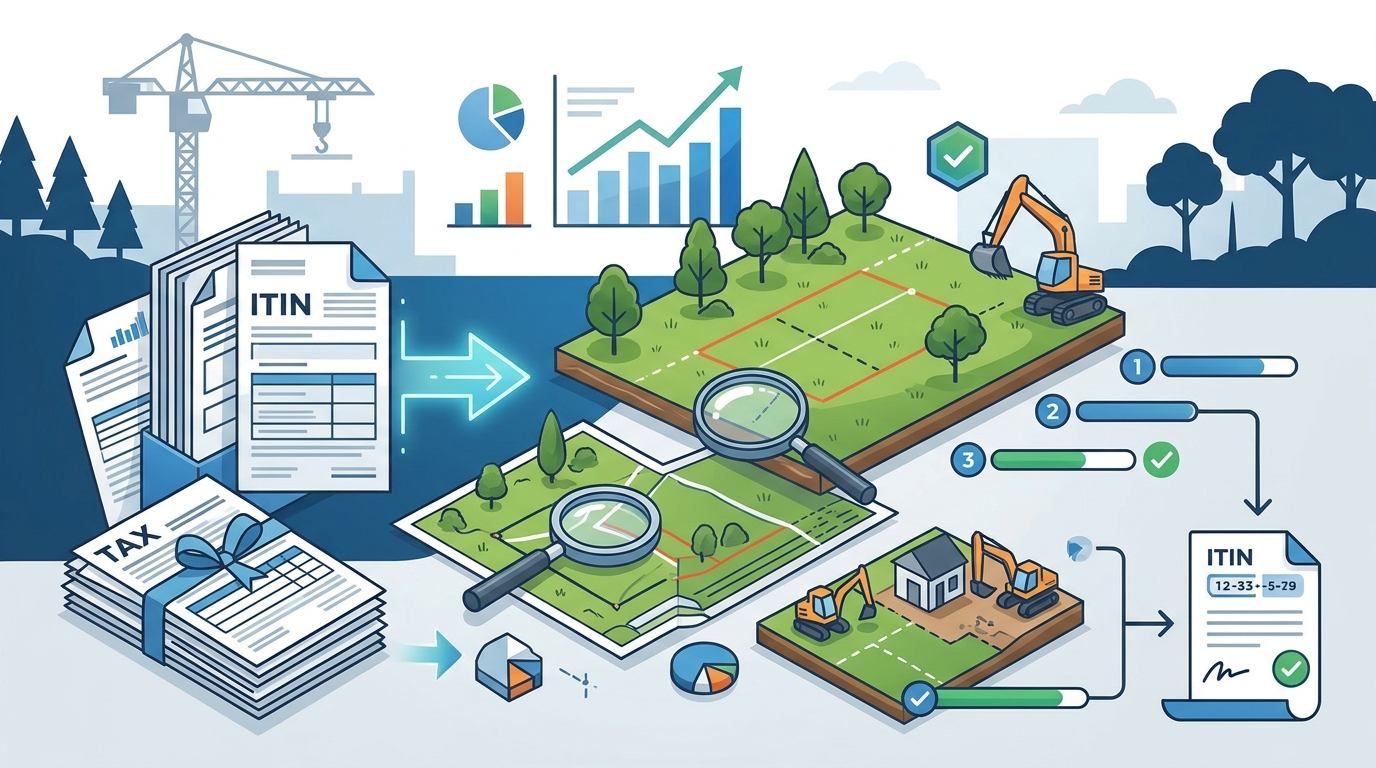
The process of securing an ITIN loan for undeveloped land follows a structured sequence. It begins with the borrower identifying a suitable property and obtaining a preliminary appraisal. Next, the borrower submits a loan application along with the required documentation, including tax returns, bank statements, and proof of identity. The lender then conducts a thorough underwriting review to assess the risk. This stage can take several weeks, depending on the complexity of the file.
Once approved, the loan proceeds to the closing stage. The borrower signs the loan documents, and the funds are disbursed to the seller of the land. The closing process involves paying various fees, including origination fees, appraisal fees, and title insurance. Borrowers should budget for these additional costs, as they can add several thousand dollars to the total expense of the transaction. After closing, the borrower makes regular payments according to the loan terms, which may include interest-only periods or amortized schedules.
Navigating Options with Lendersa
Finding the right lender for an ITIN loan can be challenging due to the specialized nature of the product. Many traditional banks do not offer these loans, leaving borrowers to search for private lenders or non-bank institutions. Lendersa provides a streamlined marketplace that connects borrowers with a network of lenders who specialize in alternative financing. The platform allows users to compare offers from multiple lenders, ensuring they find the best terms for their specific situation.
By using Lendersa, borrowers can submit a single request and receive competing offers from qualified lenders. This competitive approach helps borrowers negotiate better rates and terms. The platform also provides tools to help borrowers understand their options and make informed decisions. For those looking to purchase undeveloped land with an ITIN, Lendersa offers a reliable path to securing the necessary capital. To explore your financing options, start a loan request on Lendersa.
Key Takeaways
- ITIN loans are designed for borrowers with an Individual Taxpayer Identification Number but no Social Security Number.
- These loans are asset-based, meaning the land serves as collateral for the debt.
- Undeveloped land financing typically requires a higher down payment due to the lack of cash flow.
- Lenders focus on tax return history and bank statements rather than traditional credit scores.
- Loan-to-value ratios for ITIN land loans usually range from 50% to 70%.
- Using a marketplace like Lendersa allows borrowers to compare multiple offers and negotiate better terms.
Frequently Asked Questions
Can I get an ITIN loan if I have no credit history?
Yes, ITIN loans often do not require a traditional U.S. credit history. Lenders focus on your tax returns, income, and the value of the land instead of your FICO score.
What documents are needed for an ITIN land loan?
You typically need two to three years of tax returns, bank statements, proof of identity, and a professional appraisal of the land.
How much do I need to put down for undeveloped land?
Down payments for ITIN land loans usually range from 30% to 50% of the property's value, depending on the lender and the specific asset.
Do I need to be a U.S. citizen to get an ITIN loan?
No, U.S. citizenship is not required. You only need a valid ITIN and the ability to demonstrate financial stability through tax filings and bank records.
How long does the approval process take?
The approval process can take several weeks, as it involves a detailed review of your financial documents and a professional appraisal of the land.